
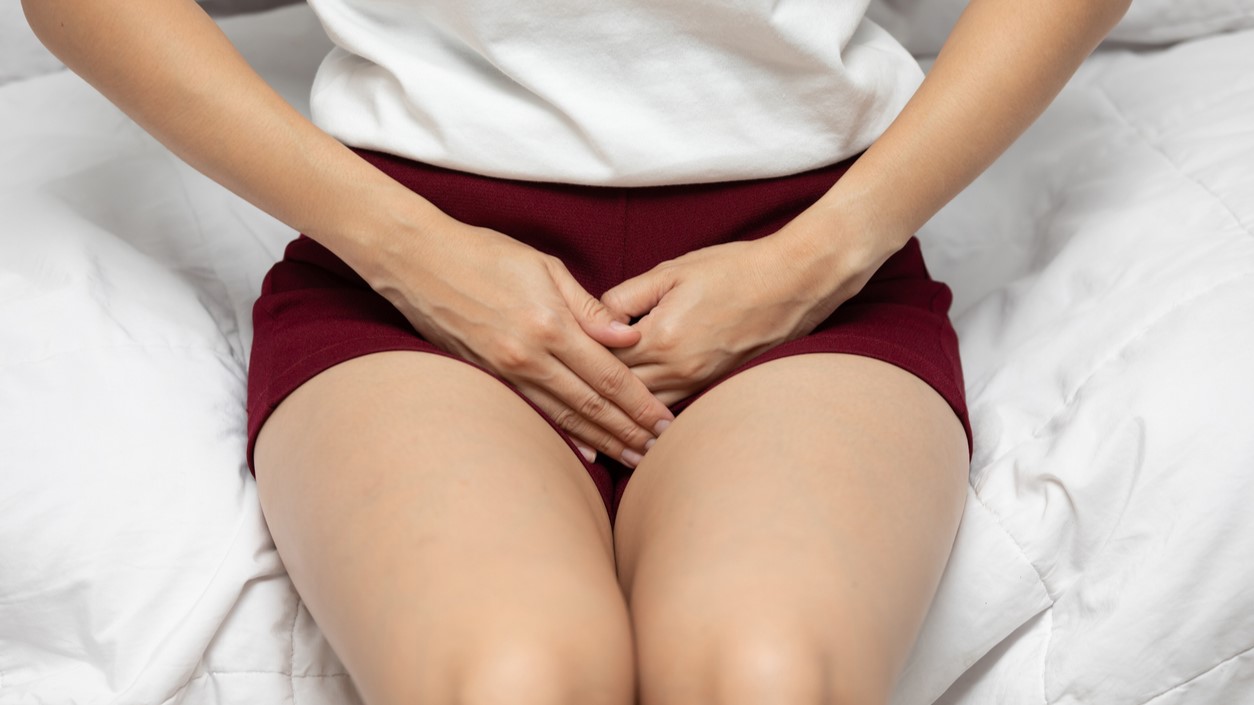

It’s early in the morning and intense pain wakes you up. Not yet. You had hoped that this nightmare was behind you – that the burning and tingling between your legs was gone forever. But he is back, leaving not only intense discomfort, but also an overwhelming feeling of hopelessness and fear that he will never find relief.
You can’t imagine sex without pain. But it’s not just about sex: living with constant pain in such a sensitive area makes everyday tasks unbearable. When you’re sitting in your underwear, even the slightest movement becomes a struggle.
For someone who suffers from vulvodynia, this story may seem all too familiar. A chronic illness 8% are worried about it up to 10% women Vulvodynia is common throughout life misunderstood and difficult to manage. Many endure years of discomfort before receiving a diagnosis.
Vulvodynia is defined as persistent vulvar pain without a clear medical cause and can leave sufferers feeling trapped on an endless merry-go-round and desperate to find answers.
Psychologists from the Sapienza University of Rome want to help. They suggest that central sensitization – a process in which the body becomes overly sensitive to pain – could contribute to this condition.
In their 2024 study in The Journal of Sexual Medicine, They explore how psychological and social factors influence this increased sensitivity in women with vulvodynia and impact their quality of life. The goal of her research is to open the door to better holistic care and end the ongoing suffering of many women.
The extent of vulvodynia: beyond physical pain

When the central nervous system (brain and spinal cord) overreacts, pain perception increases. This phenomenon is called central sensitization (CS). It’s like the body turns up the volume when it hears pain signals and the controls get stuck at the highest level.
In vulvodynia several Studies suggest The CS may play a role in converting minor stimuli in the vulvar region – such as light touch, pressure or wearing tight clothing – into severe discomfort.
However, the effects of vulvodynia extend beyond physical pain. This impacts both mental and sexual well-being.
Actually, Research shows Vulvodynia significantly reduces quality of life. Women with this condition report more anxiety and depression, as well as difficulty with daily activities and a satisfying sex life.
Exploring ways to improve treatment for vulvodynia
Hoping to improve treatment options for patients with vulvodynia, researchers surveyed 357 Italian women who had been diagnosed with the condition by a specialist. The participants, all cisgender, ranged in age from 18 to 75, with an average age of 36.
The survey assessed several factors, including physical and psychological quality of life, sensitivity to sensory processing, traumatic experiences, personality traits, defense mechanisms, and psychological pain. This included the Central Sensitization Inventory (CSI) to measure symptoms associated with a hypersensitive nervous system.
The researchers then examined the relationship between central sensitization, psychological and social influences, and quality of life.
Vulvodynia, central sensitization and quality of life
As central sensitization increased in women with vulvodynia, their physical and psychological quality of life deteriorated.
The strongest predictors of high CSI scores were unhealthy coping mechanisms, increased sensitivity to stimuli, psychological pain, and prior experiences with physical threats. The study results suggest that these factors may worsen quality of life in vulvodynia by increasing pain perception.
Notably, low sensory threshold and use of neurotic defense mechanisms had the greatest impact on central sensitization and overall quality of life.
What is a low sensory threshold?
Individuals with a low sensory threshold are more sensitive to environmental and social stimuli and require less stimulation to perceive or respond to sensations. For example, they may feel overwhelmed by bright lights and loud noises, as if their senses are being bombarded.
The study found that people with a low sensory threshold are not only more likely to experience increased sensitivity to pain (central sensitization). They were also more likely to experience higher levels of psychological pain and to have previously experienced physical threats. This confirms previous research showing that difficult childhood experiences, including abuse, may increase the risk of developing vulvodynia as an adult.
Not surprisingly, the study found that higher levels of psychological pain negatively impacted the psychological quality of life of women with vulvodynia. Additionally, those who experienced greater psychological pain were more likely to have experienced physical threats in the past and to have used coping mechanisms such as neurotic defenses.
What are neurotic defense mechanisms?
Neurotic defense mechanisms are unconscious strategies aimed at avoiding or minimizing stress, often by distorting or separating difficult emotions.
Examples of higher CSI values include: Intellectualization, isolation of affect and repression. For example, a person with vulvodynia might use intellectualization to cope with emotional pain. Instead of expressing their distress through physical pain, they may focus on medical details or scientific explanations, creating emotional distance from their suffering.
However, such strategies may contribute to chronic pain by reinforcing pain avoidance behaviors and keeping the nervous system alert.
Treat physical and psychological problems

Further investigation into the relationship between vulvodynia, pain sensitivity, and psychological influences may empower patients to take responsibility for their health.
Several factors closely related to central sensitization increase the risk of poorer quality of life in women with vulvodynia. The most important were low sensory threshold, neurotic defense mechanisms, psychological pain and previous physical threats. The findings also suggest that psychological factors play a role in the development and maintenance of central sensitization, thereby fueling a cycle of chronic pain.
Treatment for vulvodynia requires more than just treating the physical symptoms. A holistic approach, such as therapy to address past trauma or develop healthier coping strategies, may be crucial.
Doctors who recognize high levels of central sensitization and understand its psychological factors can offer tailored treatments. It could help manage and reduce emotional stress Pain in the vulvawhich ultimately improves people’s overall quality of life.
This article was originally published on LeShaw.
 English
  Spanish